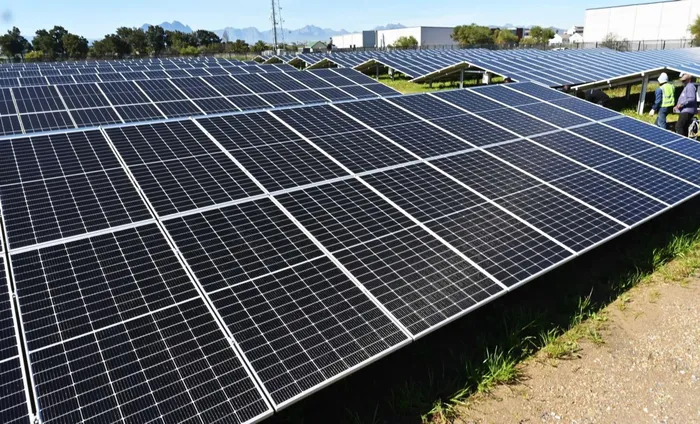
Understanding Cost of Solar in Cape Town
Average Cost of Solar Systems in Cape Town
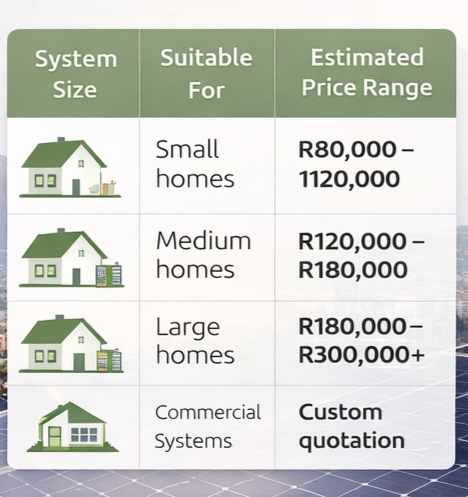
The price of a solar system depends mainly on the size of the installation and whether battery storage is included. Below are typical price ranges for residential solar systems in Cape Town.
System Size Suitable For Estimated Price Range
3 – 5 kW system Small homes R80,000 – R120,000
5 – 8 kW system Medium homes R120,000 – R180,000
8 – 12 kW system Large homes R180,000 – R300,000+
Commercial systems Businesses Custom quotation
These prices are indicative and can vary depending on the specific design of the solar system.
Many systems in South Africa include battery storage, which increases the total cost but allows the system to continue supplying electricity during load shedding.
What Influences the Cost of Solar?
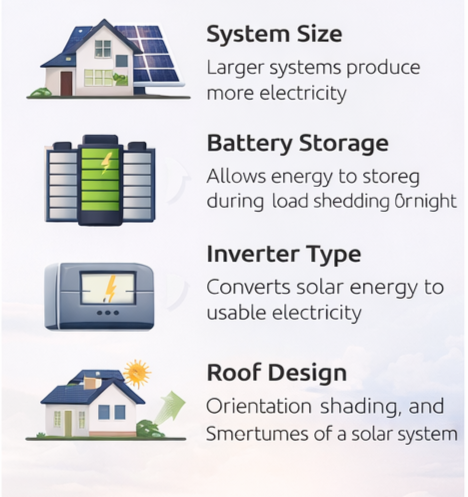
No two solar installations are the same. Several factors influence the final price of a solar system.
System Size
Larger systems produce more electricity and require more solar panels and a larger inverter. Homes with higher electricity usage will typically require a larger system.
Battery Storage
Battery systems allow solar energy to be stored for use during load shedding or at night. Batteries are often one of the largest cost components of a solar installation, but they significantly increase energy independence.
Inverter Type
The inverter converts solar energy into usable electricity. Hybrid inverters, which support battery systems, are typically more expensive but offer greater flexibility and resilience.
Roof Design and Installation Complexity
The orientation of the roof, shading, and installation conditions can influence the complexity of the system and therefore the installation cost.
Energy Usage of the Property
Homes or businesses with higher energy consumption require larger solar systems, which naturally increases the overall investment.
Cost of Solar in Cape Town
With rising electricity prices and frequent load shedding, many homeowners and businesses across Cape Town and the Western Cape are considering solar energy as a long-term solution. One of the most common questions people ask is: how much does solar actually cost?
The cost of a solar system can vary depending on the size of the installation, battery storage requirements, and the energy usage of the property. While every system is different, understanding the typical price ranges and the factors that influence solar installation costs can help you make an informed decision.
At SamSam we design solar systems that are tailored to each property, ensuring the right balance between investment, energy savings, and protection against load shedding.
Solar Costs vs Electricity Costs
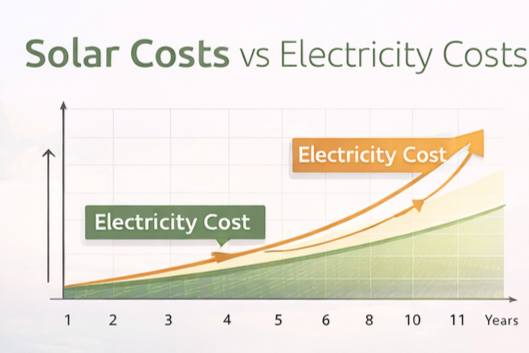
Electricity tariffs in South Africa have increased significantly over the past decade. For many households and businesses, solar energy is becoming a way to reduce long-term electricity expenses.
A well-designed solar system can:
• reduce monthly electricity bills
• protect against future electricity price increases
• provide energy during load shedding
• increase property value
For many homeowners in Cape Town, solar installations become financially attractive because the system generates electricity for 20–25 years.
Solar Batteries and Load Shedding
One of the main reasons people install solar systems in South Africa is to protect their homes and businesses from load shedding.
While solar panels generate electricity during the day, battery storage systems allow this energy to be stored and used when the grid goes down.
With the right system design, a solar installation can keep essential appliances running such as:
• lights
• internet routers
• security systems
• refrigerators
• office equipment
You can learn more about how solar protects your property from outages on our solar solutions for load shedding page.
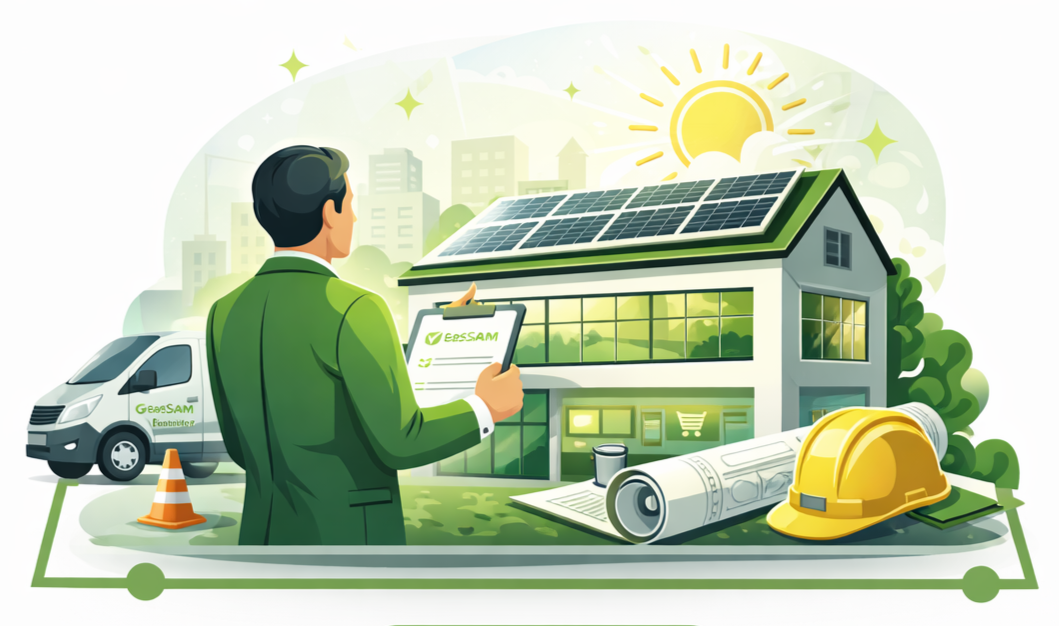
Example Solar Cost and Savings
To better understand the economics of solar, consider a typical residential system.
Example system:
5 kW solar system with battery storage
Approximate investment:
R140,000 – R180,000
Estimated monthly electricity savings:
R1,500 – R3,000 depending on energy usage.
Over time, these savings can significantly offset the initial investment.
Solar systems typically have a lifespan of 20 to 25 years, meaning that once the system has paid for itself, the electricity it produces becomes essentially free.
We're happy to help
Have questions? First, check if your query is among our frequently asked questions. If you don’t find your question or need further assistance, please contact us.
Frequently asked questions
Is commercial solar suitable for all types of businesses?
Commercial solar solutions can be adapted for offices, retail, warehouses, hospitality venues and industrial facilities. The suitability depends on energy usage patterns and available installation space.
A professional energy analysis determines the most efficient system configuration.
Will solar increase my property value?
Investing in commercial solar can increase property attractiveness due to reduced operational costs and improved energy stability. Energy-efficient commercial buildings are becoming more attractive to tenants and investors.
Can my system be expanded in the future?
Yes. Commercial solar systems can often be scaled as your business grows. Future-proof system design allows for expansion depending on infrastructure and inverter capacity.
What is the ROI for commercial solar systems?
Return on investment varies per business but is typically driven by electricity tariff savings and operational stability. With rising energy costs in South Africa, many businesses experience measurable savings over time.
Our commercial solar assessments include projected savings calculations so decision-makers can evaluate long-term financial impact before investing.
Can solar panels reduce electricity bills immediately?
Yes. Businesses typically see instant reductions in daytime electricity consumption once the system is installed.
What happens when solar produces more electricity than needed?
Excess energy can either:
be stored in batteries
be used later
sometimes be fed back into the grid (depending on local regulations).
What maintenance does a commercial solar system require?
Maintenance is minimal and usually includes:
periodic cleaning of panels
system monitoring
occasional inverter servicing.
Can I install solar without a battery?
Yes, solar panels can be installed without battery storage. However, without a battery your system may not supply power during load shedding. Many homeowners in Cape Town choose hybrid systems that include batteries to ensure reliable electricity during outages.
How long does it take to recover the investment in solar?
Most commercial solar systems have a payback period of 4–6 years, depending on electricity usage and system size.
How long do solar panels last?
Most solar panels have a lifespan of 20 to 25 years, making them a long-term energy solution. Inverters and batteries may require replacement earlier depending on usage and system design.